What Makes a Brand Magnetic?
A breakdown of how fragrance brand Ffern built a magnetic brand, and how brands can create an irresistible force field that pulls you into their universe.

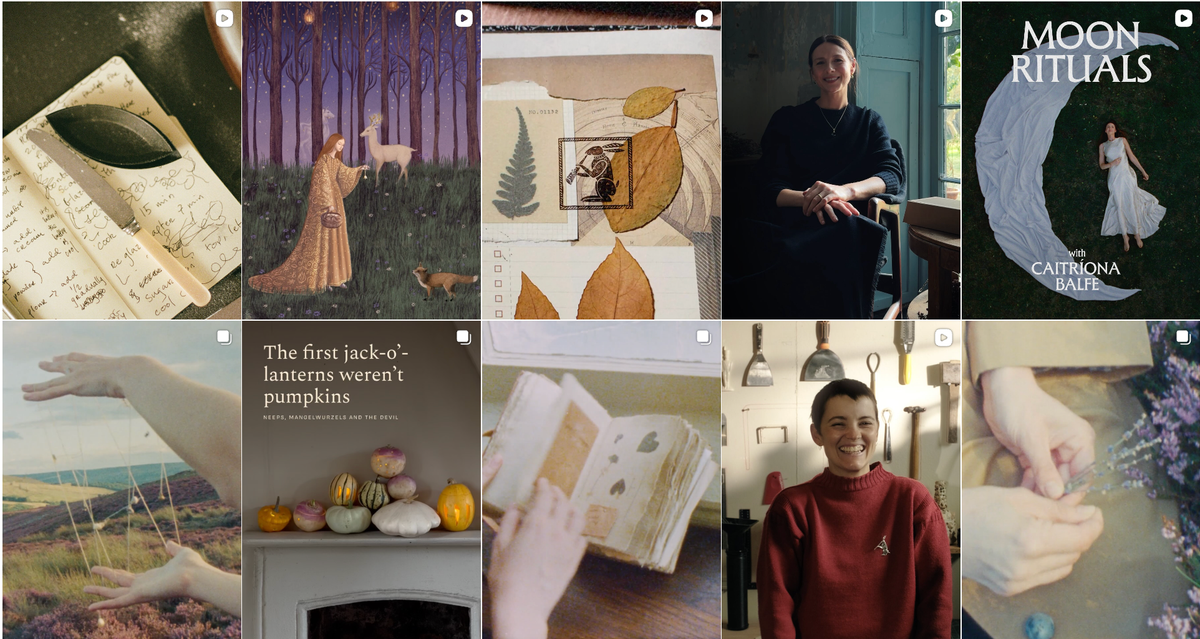
There is one brand's Instagram feed that has me absolutely hooked on their algorithm. I swear I see every single post, save a lot of their content, and their visuals take me on a sensory exploration into their brand universe.
The brand is Ffern - a fragrance brand that makes a limited-edition fragrance for each season, handmade in Somerset, UK. They run a subscription model where you join a waitlist to become a 'Ffern Ledger' member to receive one of their limited run of scents each season. For some brands, this could be commercial suicide. For Ffern, their waitlist model, paired with their immersive storytelling and cinematic visuals, is exactly what pulls in 500,000 people into their orbit (reference link).
They offer a masterclass in visual brand world-building to pull customers into their world so you feel a part of the story.
Scroll through their feed, and you’d be forgiven for not immediately knowing what they sell, and that's exactly the point. They don't plaster their fragrance bottles all over their page or go into too much detail about each ingredient in the product. They entice you by telling a captivating story of the scents that brings out an emotional response in the viewer. Their campaigns are creative masterpieces. Their cinematic visuals help the viewer to feel immersed into their world, evoking the exact feeling we get from the different seasons of the year.
The Magic of Magnetism
A brand with magnetism is a brand that is memorable. Think about the last time you met someone new, and you felt this automatic pull towards them. Sometimes, you can't put your finger on exactly why you might be so drawn to them; it's often a subconscious feeling, but something about them just 'feels right'. That feeling could be because you are attracted to them physically or mentally, their charisma might be inspiring to you, or there's a unique fascination or energy to them that you simply can't forget about.
This is magnetism.
And this is what every brand needs to strengthen long-term brand equity.
I discuss customers' feelings with my clients on a regular basis. I remind all my clients to come back to what they want their customer to feel through every touchpoint with their brand. I truly believe it is one of the most important parts of brand building, in the early stages especially, but as a reminder throughout the years of building, as that feeling can often get lost as a brand scales.
To understand the feeling, you have to understand the psychological drivers that are drawing people into your brand world. These are the internal motivations, emotions and cognitive shortcuts that lead consumers to notice, stay loyal to, and trust certain brands.
Core Psychological Drivers
These are the levers every strong brand will use to pull in their customers:
Identity and belonging
A brand will feel particularly magnetic to a consumer when they feel like they are becoming a part of something. Some brands do this in a quite half-assed way, such as through a loyalty programme, a mailing list, maybe a subscription. But when so many other brands offer this, and anyone can sign up, it feels less like an exclusive club you belong to, and more like an open-door policy that lets anyone in, which defeats the point entirely.
Ffern's business model is a perfect example of ensuring their customers genuinely feel like they are a part of an exclusive club that isn't open to everyone. Counterintuitive when you are trying to grow a business, some may say, but this is scarcity marketing at its finest, as the way the products are made means they only have a limited run of each scent each season.
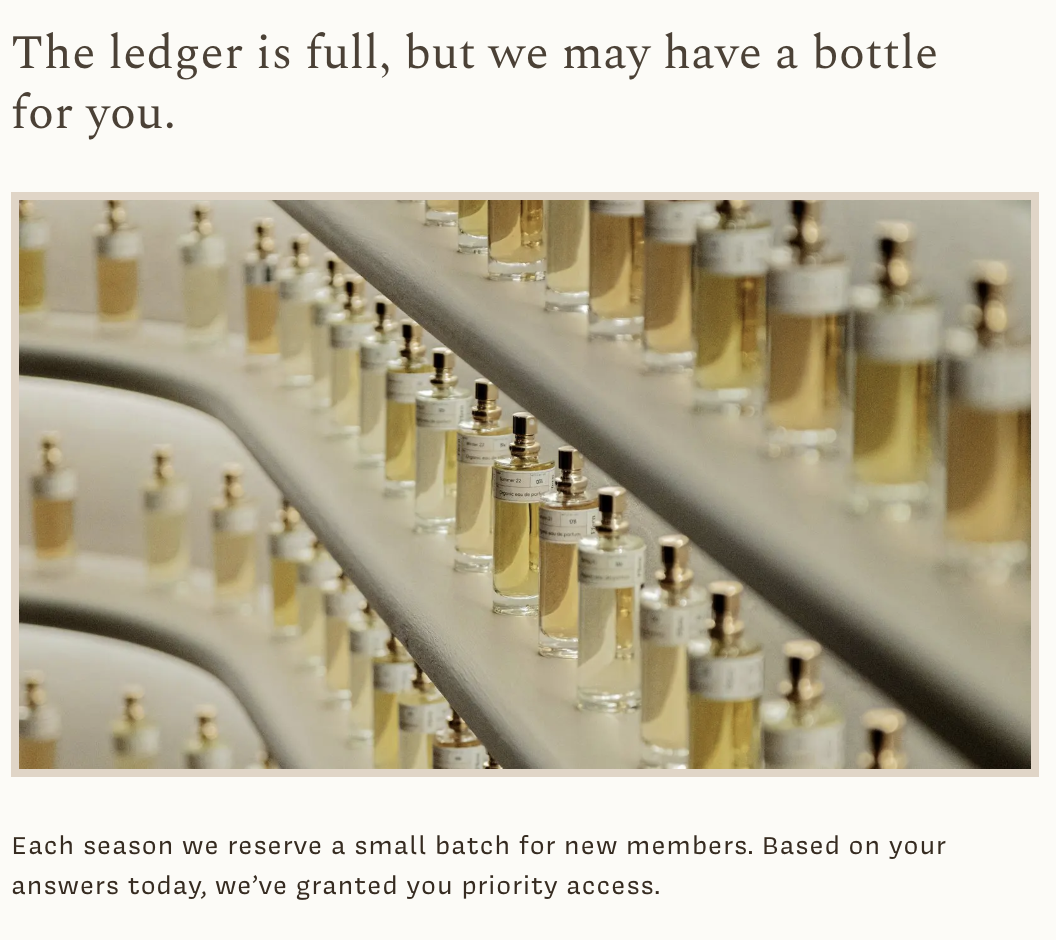
On their website, they have a questionnaire to fill out that will determine if you gain a 'place' on their ledger. If you are granted access, you become a 'Ffern Ledger' member to enable you to receive their limited-edition scent each season.
This sense of belonging builds an affinity for the brand experience. Members are able to step into the Ffern brand world more deeply and connect to the feeling of who they become each season when their fragrance arrives.
Familiarity and repetition
Humans are hard-wired for survival. We like consistency and familiarity, as it makes us feel safe and secure. When we feel safe with a brand, we are more likely to feel magnetically drawn to them, and when we trust a brand, we are more likely to buy from them.
Building trust and familiarity comes through repetition of visuals, messaging and tone across all the touchpoints your customer may come across. Ffern do this exceptionally well with a very consistent and unique visual style. With each season launch, they create a cinematic short film that separates them from every other fast-paced ad. Their commitment to building a beautiful visual brand world is an experience their Ledger members look forward to each season. Each season, their members know a beautifully crafted cinematic experience awaits them taking them on a sensory journey to discover the new season's fragrance.
In a world where we are bombarded with ads, content, and unlimited choices, familiarity and repetition help us to reduce cognitive load. When a brand is more consistent with its visuals and its messaging, it makes purchasing decisions quicker and easier. Over time, this long-term familiarity strengthens relationships, builds brand equity, increases customer LTV and, in turn, profitability.
Cultural relevance & advocacy
The role of a modern brand is to respond to the narratives peoples are already living. By responding to the current, real customer needs and understanding the world customers are living in, brands stay relevant and emotional connection grows.
In an overly saturated market like fragrance, or even beauty as a whole, a brand without cultural relevance will simply be skipped, ignored and scrolled past.
Consumers need more than just 'this is a good product, buy it'.
Ffern's approach to cultural relevance stems from it's counter-cultural approach to modern luxury. They replace modern fragrance marketing that tends to endorse glamorous celebrities to sell their fragrances, and instead have chosen to tap into slow luxury and seasonal scarcity. As consumers become more sceptical of greenwashing and mass-market formulas that are often dupes, Ffern champions the slow craft of natural-perfume making, with no fragrance they create being re-made.
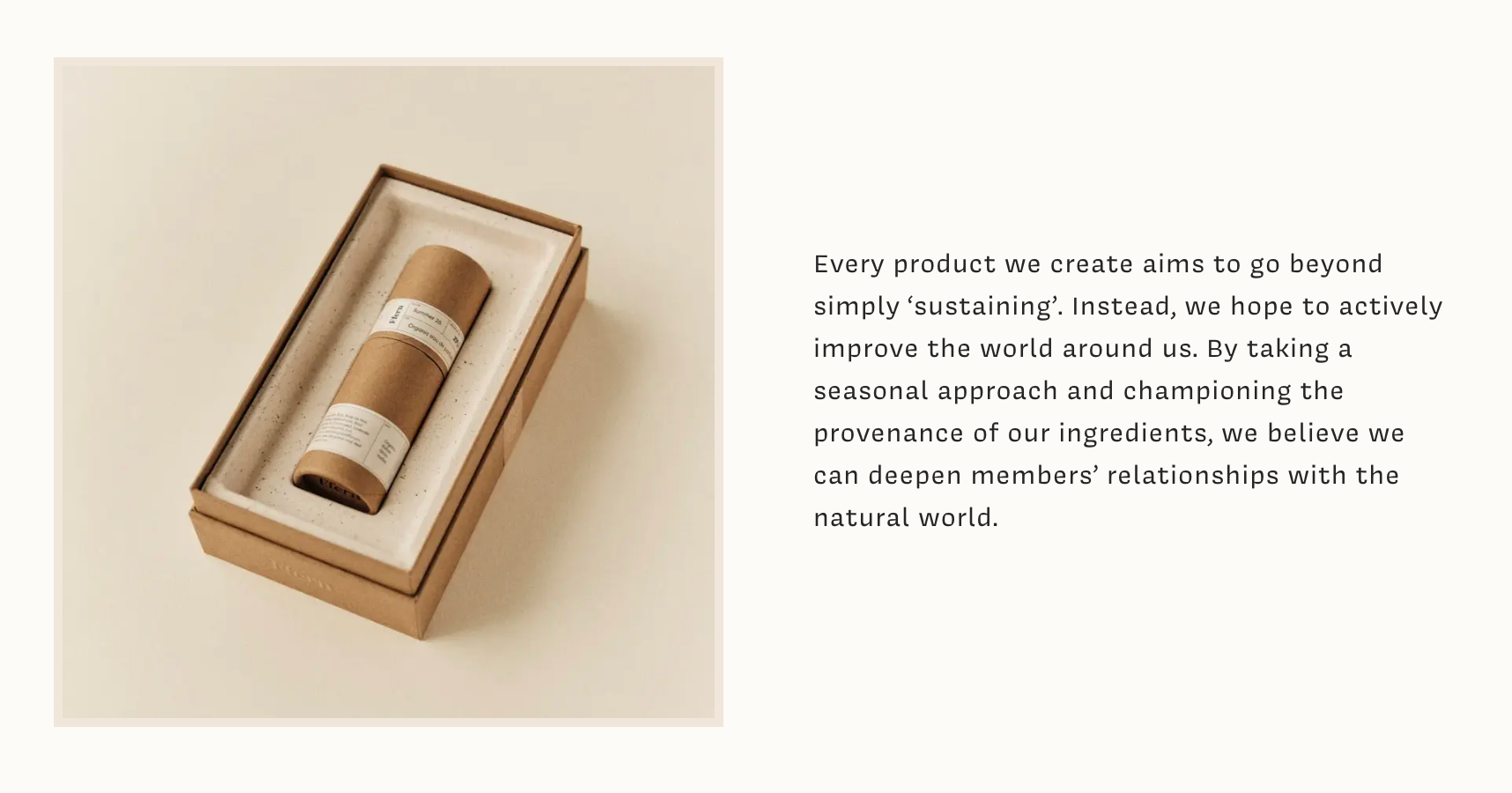
Ffern taps into the major 21st-century British cultural revival of "New Folk" movement. In a world of digital burnout and reliance of technology, these rural, seasonal traditions are being reclaimed in the digital age as a way to switch off and reconnect with nature.
Their customers share this desire and appreciation for keeping British folklore traditions relevant in today's modern world. The brand has seem huge growth in the US in recent years (reference), reflecting the fascination that the US market tends to have in British history that America, being a fairly young country, doesn't have.
For a brand to be magnetic, it often requires some sort of polarisation. A brand using a unique cultural relevance point unapologetically and authentically will automatically pull in the exact customer they wish to attract and repell everyone else. This polarisation by design is exactly what makes Ffern so magnetic.
How Brands Can Be More Magnetic
What makes a brand magnetic isn't simply starting a waitlist, or consistent visuals alone. It's how each piece of the brand puzzle work together to take the customer on a journey from first discovery, to building connection, to becoming a long-term advocate of the brand.
If you're building a beauty brand, try starting with the sentence:
"People come back to us because we make them feel ___."
Then look at your latest campaign, your packaging, the experience your customer gets from A-B. Where does that feeling come through without you having to spell it out? If it only shows up in the campaign marketing because you have excellant visuals, but there isn't the pull for customers return to you, start there and work out how that feeling that pull them in and keep them there.